Nederland heeft veel vrouwelijk wetenschappelijk toptalent. Toch zijn vrouwen op leerstoelposities in Nederland sterk ondervertegenwoordigd: slechts een op de tien hoogleraren is vrouw. Daarmee bungelt Nederland onderaan de Europese ranglijsten. Fast Facts werkt aan een grotere zichtbaarheid van excellent onderzoek van vrouwen in de wetenschap met de serie 'Mevrouw de Professor'.
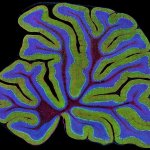
Waarom doen we wat we doen? Wat is een gedachte? Hoe werkt ons brein? De afgelopen decennia is het onderzoeks- gebied van de neurowetenschappen ontzettend gegroeid. Technologische ontwikkelingen als fMRI scans hebben deuren geopend naar nieuwe kennis en nieuwe vragen, waardoor het wel omschreven wordt als de meest dynamische hoek van de wetenschap. In de serie 'Het Brein' brengt Fast Facts neurowetenschappelijk onderzoek samen.
De Jonge Akademie van de KNAW vertolkt sinds 2005 het jonge geluid in de wetenschap. Wetenschappers die binnen de Jonge Akademie benoemd worden, hebben zich binnen hun vakgebied al op jonge leeftijd internationaal bewezen. De Jonge Akademie houdt zich onder meer bezig met interdisciplinaire kansen voor onderzoek, popularisering van wetenschap, de toekomst van wetenschap en wetenschapsbeleid. meer
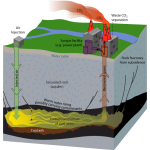
Sinds de klimaattop in Kopenhagen verkeren we in een staat van klimaatverwarring. Alarmerende geluiden over de opwarming van de aarde staan tegenover klimaatscepsis. Het gevoel ontstaat dat er zelfs binnen de wetenschap geen overeenstemming is over de staat van het klimaat. Wie moeten we nog geloven? Green Facts wil Nederlands wetenschappelijk toponderzoek naar klimaat en duurzaamheid over het voetlicht brengen. Een wetenschappelijk antwoord op de klimaattop in Kopenhagen in 2009.
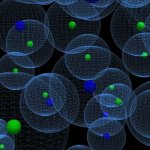
De theorie van alles bestaat nog niet, maar is het streven van natuurkundigen om de verschillende fundamentele theorieën in de natuurkunde met elkaar te verenigen. Zo'n theorie zou alle elementaire deeltjes en de fundamentele natuurkrachten in één model samenbrengen. Einstein heeft als één van de eersten geprobeerd zijn algemene relativiteitstheorie te verzoenen met de kwantummechanica in één enkele veldentheorie. Tot nu toe komt de snaartheorie het dichtst bij een theorie van alles. Het probleem is dat er nog niet één sluitende versie van de snaartheorie is, die ook daadwerkelijk overeen komt met onze werkelijkheid.
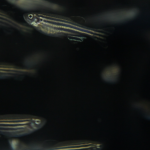
Het onderzoek aan het Hubrecht Instituut richt zich op ontwikkelingsbiologie en stamcellen. Verschillende biologische processen worden onderzocht, met name de embryonale ontwikkeling van dieren en de ontwikkeling van organen in volwassen dieren. Ontwikkelingsbiologen zijn geïnteresseerd in het mechanisme dat een organisme doet groeien van één bevrucht eitje tot een volledig volwassen dier. Stamcel onderzoek is sterk verbonden met ontwikkelingsbiologie. Als we meer inzicht krijgen in de ontwikkeling en in stamcellen kan ons dat meer leren over (menselijke) ziekten als kanker.